
Is ClearCorrect at The Smile Center Better for Adults or Teens?

Clear aligner therapy has quietly become one of the most requested orthodontic options for patients of all ages. The appeal makes sense — no metal brackets, no wires, and a treatment experience that fits more naturally into everyday life. But the question that comes up more often than you’d expect, particularly from parents and adults sitting in the same waiting room, is this: who does it actually work best for?
The honest answer is that ClearCorrect can be genuinely effective for both adults and teens — but the factors that determine success look different depending on the patient. Age isn’t the deciding variable. Biology, compliance, case complexity, and lifestyle all play into how well treatment progresses. That said, there are real and meaningful differences between treating a 15-year-old and a 40-year-old, and knowing those differences helps you make a more informed decision for yourself or your child.
What Makes ClearCorrect Different From Other Aligner Systems?
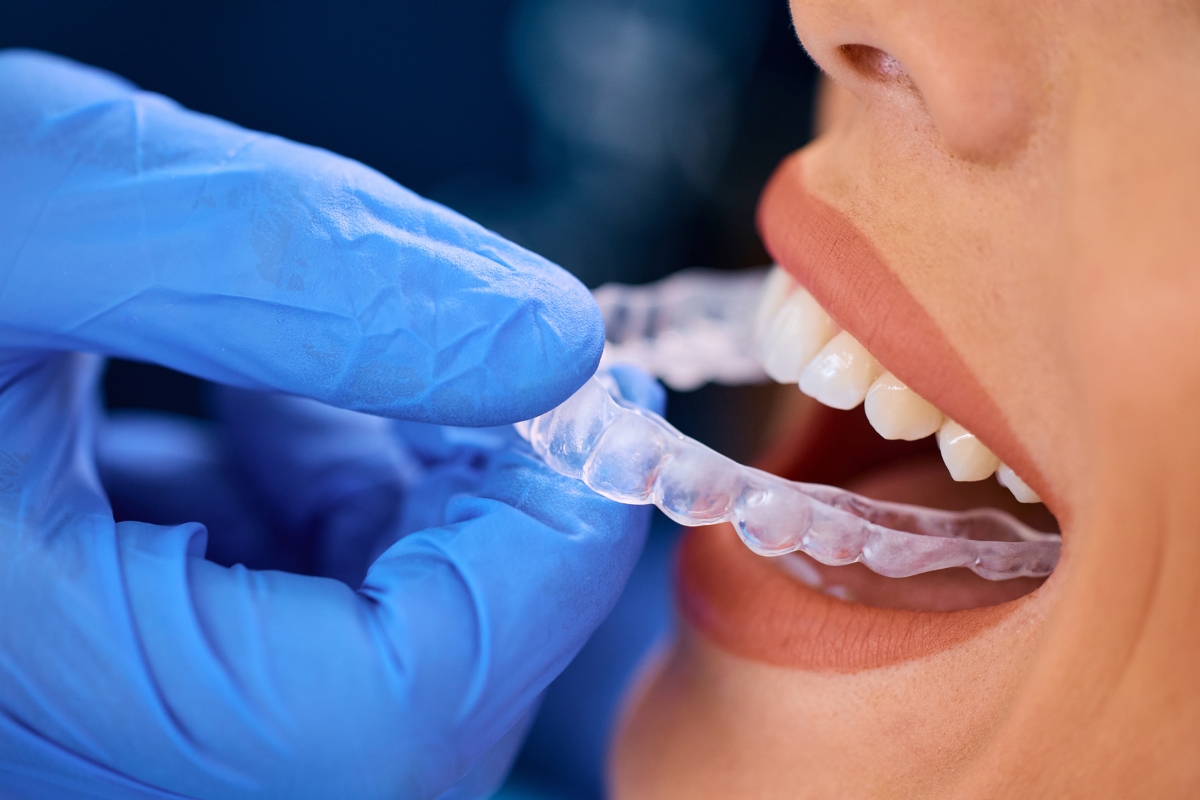
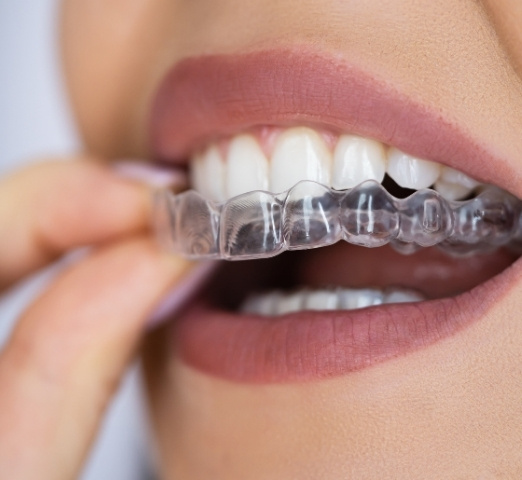
For patients considering ClearCorrect aligners in Chicago Heights, IL, at The Smile Center, it helps to first understand what sets this system apart. ClearCorrect is a clear aligner system that uses a series of custom-fabricated, BPA-free thermoplastic trays to move teeth gradually toward their target positions. Unlike some competing systems that are primarily marketed through direct-to-consumer channels, ClearCorrect is prescribed and monitored by a licensed dental professional throughout the entire process.
That professional oversight is not a minor detail. It means your dentist can catch issues early, make mid-course corrections, and adjust the treatment plan based on how your teeth are actually responding — rather than relying solely on a predetermined digital projection. ClearCorrect also offers multiple stages and unlimited refinements during treatment, giving dentists more flexibility when cases don’t progress exactly as planned.
With that foundation established, let’s look at how the treatment plays out differently for adults and teens.
Why ClearCorrect Works Particularly Well for Adults
Fully Developed Jaw Structure
Adult orthodontic treatment takes place in a fully mature skeletal environment. The jaw is no longer growing, teeth are in their final positions, and the bone has reached its adult density. This is actually an advantage in aligner therapy — the treatment plan is designed around a stable, predictable anatomy rather than one that’s still changing. Movement is precise because the target doesn’t shift mid-treatment.
The tradeoff is that adult bone is denser, which can mean tooth movement happens slightly more slowly than in adolescents. Treatment timelines tend to be longer for adults, though they vary considerably depending on the extent of correction needed.
Compliance Is Rarely an Issue
Adults choose orthodontic treatment for themselves. They understand the investment, the timeline, and the importance of wearing aligners 20 to 22 hours per day. This self-motivation translates directly into better outcomes. Studies consistently show that patient compliance is one of the strongest predictors of aligner therapy success, and adults who are genuinely committed to treatment tend to follow through on daily wear requirements without the reminders and pushback that can be part of the teenage orthodontic experience.
Lifestyle Fit Is a Real Advantage
Many adults who avoided braces in their youth did so because the aesthetic and social aspects of metal orthodontics felt incompatible with professional or adult life. ClearCorrect removes that barrier almost entirely. Whether you’re presenting in a boardroom, attending events, or managing a busy social calendar in the south suburban Chicago area, clear aligners don’t announce themselves the way brackets and wires do. That discretion is often the tipping point for adult patients who have put off treatment for years.
How ClearCorrect Works for Teen Patients — and Where It Requires More Planning
Developing Dentition Adds Complexity
Teens present a more variable orthodontic landscape. Depending on age, some teens are still losing baby teeth or waiting for their second molars to fully erupt. Like other aligner systems, ClearCorrect works most predictably when a patient’s dentition is substantially complete. For younger teens, this may mean waiting before starting treatment, or using traditional braces first to address foundational issues before transitioning to aligners.
Older teens — typically those 16 and up with most or all of their permanent teeth in place — are often very good candidates for clear aligner therapy. Their bone is still somewhat more responsive to tooth movement than an adult’s, which can actually mean slightly faster results for similar corrections.
Compliance Is the Biggest Variable With Teens
Teen compliance with clear aligner therapy is, on average, less consistent than adult compliance. The trays’ removability — an asset for most patients — becomes a potential liability if a teenager removes them frequently during school, meals, or social situations and forgets to put them back. Every hour of non-wear is an hour where teeth aren’t moving as planned.
This doesn’t mean ClearCorrect is the wrong choice for teens. It means the family has a conversation about commitment before treatment starts. Parents who stay engaged — checking in on wear time, encouraging consistency — tend to see better outcomes.
Social Acceptance of Clear Aligners Among Teens
The stigma around traditional braces has diminished significantly over the past decade, but many teens still prefer the near-invisible profile of clear aligners for the same social reasons adults do. Athletes, musicians, and teens involved in activities that require mouth guards or instruments may also find clear aligners more compatible with their activities than fixed brackets.
So, Who Is ClearCorrect Actually Better For?
The honest answer is that ClearCorrect isn’t inherently better for one age group than another. It’s better for patients who are the right fit for aligner therapy specifically, and that assessment is case-by-case. Generally speaking:
- Adults benefit most from clear aligners when their primary concern is discretion and lifestyle compatibility, and when they are prepared to commit to consistent daily wear without external reminders.
- Older teens (16+) with substantially complete permanent dentition and strong family support can achieve outcomes equivalent to adults, provided compliance is treated as a shared responsibility.
- Younger teens or those with incomplete dentition may be better served by a traditional orthodontic approach first, with clear aligners as a finishing or maintenance option later.
A comprehensive evaluation is the only way to know which path makes sense for your specific situation. A clinical exam, dental X-rays, and a detailed discussion of your goals give your dentist the information needed to make that call accurately.
Ready to Find Out If ClearCorrect Is Right for You?
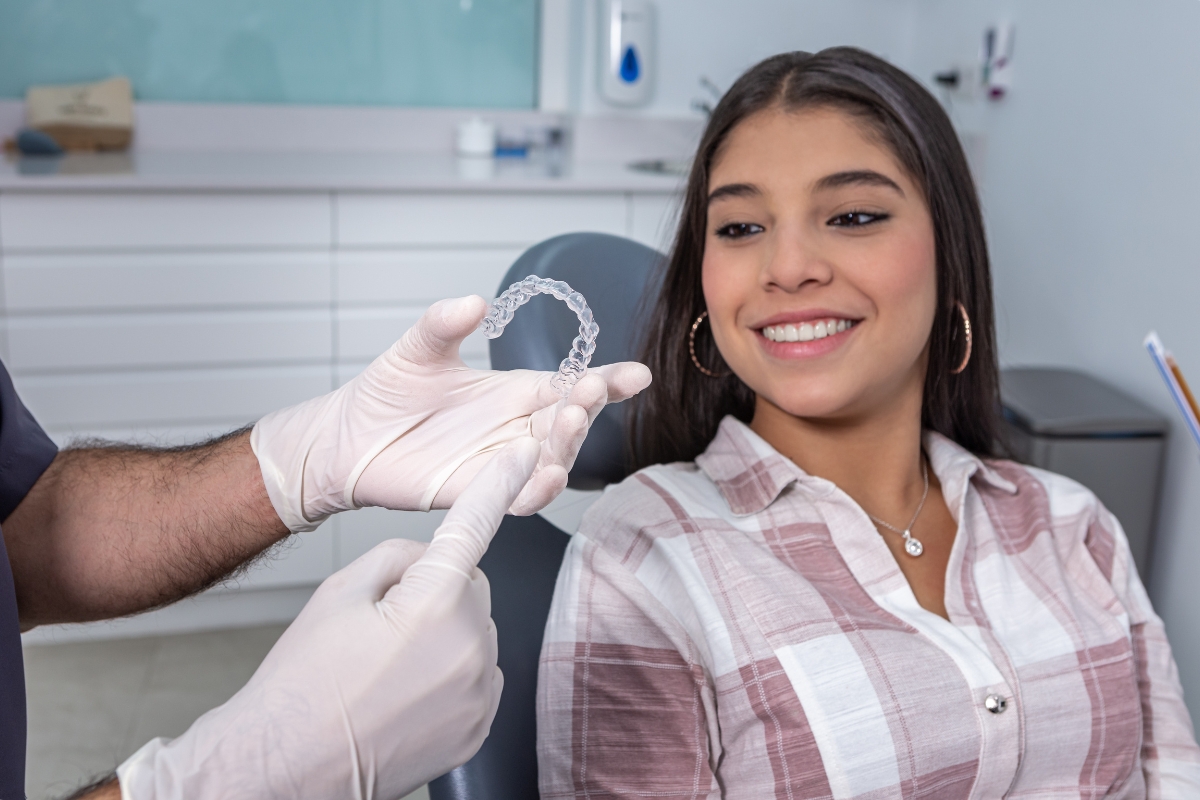
Whether you’re an adult ready to finally address a smile you’ve wanted to change for years, or a parent weighing options for a teenager who’s a good candidate for clear aligner therapy, the first step is the same: a conversation with a dentist who can give you a real assessment, not a sales pitch.
Book your consultation at The Smile Center today. Come with your questions and concerns, and an open mind, and leave with a clear picture of what ClearCorrect can realistically do for you or your teen.
People Also Ask
Can ClearCorrect fix complex bite issues, or is it just for cosmetic crowding?
ClearCorrect is designed to treat a meaningful range of orthodontic cases, including mild to moderate crowding, spacing, and bite issues such as overbite, underbite, and crossbite. The suitability of aligner therapy for bite correction depends on whether the issue is primarily dental (tooth position) or skeletal (jaw structure). Dental bite issues often respond well to clear aligner treatment. Skeletal discrepancies may require additional intervention. Your dentist will classify your bite during the evaluation.
How does ClearCorrect compare to Invisalign for teens?
Both systems use similar thermoplastic aligner technology and are prescribed by licensed dental professionals. The primary differences lie in pricing structures, the number of included refinements, and proprietary features. ClearCorrect, for instance, offers unlimited refinements within a given treatment phase, which can be particularly valuable in cases that require more mid-course adjustments. Invisalign Teen includes specific compliance-tracking features built into the aligners. Your dentist at The Smile Center can walk you through which system is a better fit for your specific case and preferences.
What happens if my teen loses a ClearCorrect tray?
Lost trays are more common in teenage patients than adult patients, which is worth factoring into the decision. Most dentists advise going back to the previous tray while a replacement is ordered if the lost tray was early in its wear cycle, or advancing to the next tray if it was near the end of its wear cycle. Your dentist will advise based on where your teen is in the sequence. Replacement trays involve additional time and potentially additional cost, depending on your treatment agreement — worth clarifying upfront.
Does ClearCorrect require retainers after treatment is complete?
Yes, for both adults and teens. Retainer wear after orthodontic treatment is not optional — it’s the mechanism that keeps teeth in their corrected positions. Without a retainer, teeth will gradually shift back toward their pre-treatment alignment. Most dentists prescribe nightly retainer wear on an ongoing basis after treatment concludes. For teens, establishing this habit early is particularly important, since the commitment to wearing a retainer long-term tends to be easier to build immediately after active treatment than years later.