
Best At‑Home Oral Hygiene Tips to Maintain Your Smile Between Dental Visits

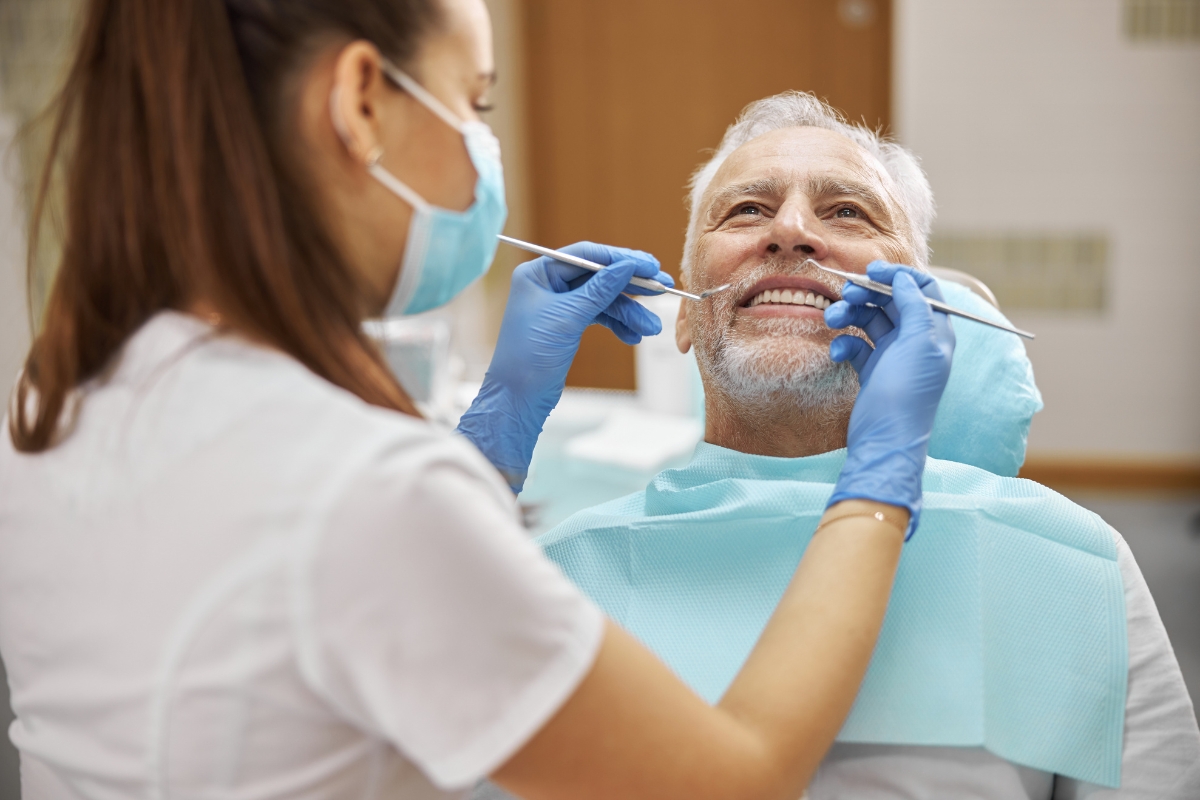
Regular dental checkups are not enough to maintain healthy, shiny smiles. Although cleanings are essential for healthy teeth and gums, your daily habits are also very important. A fresh touch-up or maintaining your teeth’s condition after another visit is essential.
By incorporating oral care into your daily routine, you will not only prevent cavities and gum disease but also ensure you flash those wide smiles with confidence every day. Today, we are going to discuss the best oral care practices to be adopted at home in our blog.
Simple Tips for Daily Dental Care
However, to maintain optimal oral health between appointments, one must learn to practice proper oral care at home. With these oral care practices, one can prevent oral health conditions and complications. Let’s take a closer look at some of these oral practices.
1. Brush Your Teeth Properly Twice a Day
Any discussion on good oral hygiene begins and ends with brushing your teeth. Although many people brush their teeth, few brush them properly. To enhance your brushing habit, use a soft-bristled toothbrush and toothpaste, and brush your teeth twice a day, once in the morning and once before bedtime, for two minutes each time. If you are unsure about the toothbrush, consult your dentist in Chicago Heights.
Another contributing factor is the brushing method. To brush one’s teeth, brush at a 45-degree angle and move the brush in small circles. When brushing your teeth, be gentle and avoid pulling the toothbrush back and forth, as this can wear down your gums and tooth enamel.
2. Don’t Skip Floss
Regular flossing is important because it helps remove food particles and plaque that may be stuck between your teeth, which a toothbrush cannot reach. The importance of flossing lies in preventing gum disease and cavities. You should establish the habit of flossing, ideally before you go to bed, to ensure you remove food particles from your mouth.
You will need floss for this. Floss should be 18 inches long and inserted between all your teeth. As you insert floss between your teeth, make sure it wraps around each tooth and under the gums. If regular floss is inconvenient, use a floss pick or a water flosser.
3. Use Mouthwash to Freshen Your Breath and Protect Your Gums
Mouthwash can be a wonderful addition to your arsenal of oral hygiene tools, helping kill more germs, eliminate bad breath, and possibly catch anything that may have been missed by a toothbrush and floss. Even better, consider using an antimicrobial or fluoride mouthwash.
Rinse for 30 seconds. After brushing and flossing, don’t forget to rinse for 30 seconds. Heed the reminder, though, and don’t ever swallow the mouthwash you use. It is not advisable because the mouthwash contains ingredients. There are many mouthwash flavors available.
4. Keep Your Diet in Check
Food consumption is an important factor affecting oral health. Therefore, if you are consuming any kind of food product that is acidic or sweet in nature, you are likely to undergo tooth decay or damaging of the enamel of the teeth. However, to maintain good oral health, it is always recommended that one consume foods such as fruits, vegetables, and grains, as they provide essential nutrients.
Ensure that you refrain from consuming sugary snacks, fizzy drinks, and messy foods, especially those that tend to cling to your teeth, which could cause damage to your teeth. Also, drinking water throughout the day can help flush away food particles and bacteria in your mouth, keeping it fresh.
5. Chew Sugar-Free Gum After Meals
Chewing sugar-free gum can help maintain oral hygiene between meals in an easy yet efficient way. Chewing gum can stimulate saliva production, a simple yet highly effective way to maintain oral hygiene, as it naturally cleans the mouth. It will help remove food particles lodged between the teeth. Ensure the gum you use contains an ingredient that acts as a natural sweetener to help prevent cavities.
6. Replace Your Toothbrush Regularly
An old toothbrush does not clean your teeth properly. Therefore, it is important to replace the toothbrush head every 3 or 4 months, or sooner if it is frayed. Changing your toothbrush often will help you get the most from your toothbrush’s cleaning capacity. In addition, if you have been sick, it is recommended that you replace your toothbrush to avoid re-infecting your mouth with harmful bacteria.
Protect Your Smile with Consistent Care
Taking care of your oral health at home is vital if you want a healthy, lovely smile. Some tips for maintaining your oral health at home include brushing, flossing, and gargling; eating nutritious foods; chewing sugar-free gum; and replacing your toothbrush.
Keep in mind: your dentist in Chicago Heights is always here to help point you in the right direction towards your best oral health! If it’s been a while since your last visit, maybe now’s the time to schedule an appointment! Good oral hygiene should include regular visits to the dentist and proper home care to give you a lifetime of healthy smiles! So don’t wait: schedule your appointment with The Smile Center today!
Questions People Ask About Oral Hygiene
How often should I brush my teeth?
Brush your teeth at least twice a day, morning and night. Brushing after meals is ideal for removing food particles and preventing plaque buildup, ensuring a fresh, healthy smile throughout the day.
Is it really necessary to floss daily?
Yes, flossing is essential to remove food particles and plaque between teeth, areas that brushing alone can’t reach. Daily flossing helps prevent cavities, gum disease, and bad breath, promoting overall oral health and hygiene.
Can mouthwash replace brushing and flossing?
No, mouthwash is a helpful addition, but it shouldn’t replace brushing and flossing. While mouthwash freshens breath and kills bacteria, it doesn’t remove plaque or food particles like brushing and flossing do, so these should still be prioritized.
What foods should I avoid to maintain oral health?
Limit sugary snacks, soda, and sticky foods, as they can lead to cavities, enamel erosion, and gum disease. Instead, focus on a balanced diet with fruits, vegetables, and dairy to support healthy teeth and gums.