

From Chipped to Cracked: Emergency Steps for Every Kind of Tooth Damage

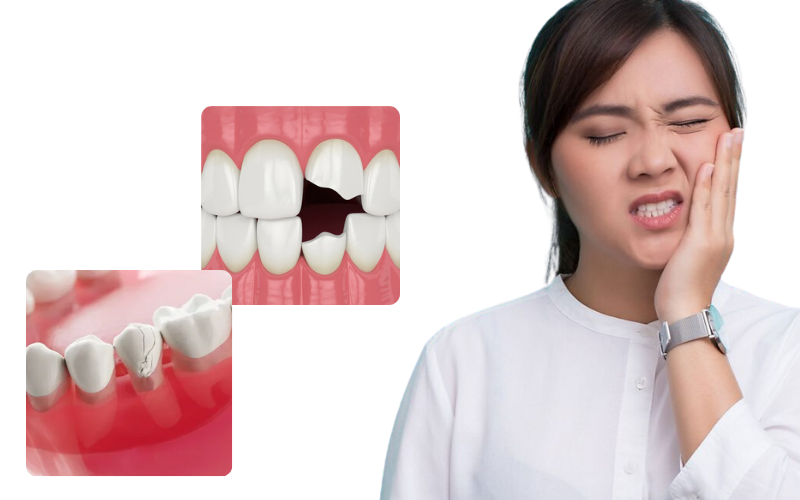
Accidents happen in the blink of an eye, and a broken tooth can be one of those unexpected surprises no one is prepared for. Whether it’s a small chip from biting into something hard, a crack from an unfortunate fall, or a severe fracture from an impact, knowing how to respond to different types of tooth damage can make all the difference in preserving your smile.
Here’s a guide on the most common types of teeth damage and what you should do in each dental emergency to minimize pain and save your tooth.
Different Types of Tooth Damage That Cause Dental Emergency
Before diving into emergency responses, it’s essential to recognize the various types of tooth damages. Here are the main types:
Craze Lines
Small, surface-level cracks are often found on the front teeth; they’re common and usually painless.
Chipped Teeth
This is a minor break where a small piece of enamel has broken off, usually caused by biting something hard.
Cracked Teeth
A deeper crack that goes beyond the enamel and may reach the inner part of the tooth, potentially causing pain or sensitivity.
Fractured Cusps
This damage often occurs on molars when a section of the tooth’s chewing surface breaks off.
Split Teeth
A more serious crack that has split the tooth into separate segments; these are generally severe and require immediate attention.
Vertical Root Fractures
These cracks begin at the root and extend upward, often invisible until they cause pain or infection.
Handling Each Type of Tooth Damage as a Dental Emergency
Let’s explore the recommended actions for each type of tooth damage in a dental emergency.
1. Craze Lines: When Surface Cracks Cause Cosmetic Concerns
Craze lines are generally not a dental emergency since they’re mostly cosmetic. However, if you’re concerned:
- What to Do: Schedule a regular dental visit. A professional dentist can polish these lines if they’re highly noticeable, but they typically don’t impact tooth health.
- Prevention: Avoid habits like nail-biting, chewing on pens, or ice, which can worsen craze lines.
2. Chipped Teeth: Treating Minor Breaks at Home and The Dentist
Chipped teeth are common but can still lead to discomfort, especially if they leave a rough edge.
- What to Do: Rinse your mouth with warm water to clean the area. If there’s any bleeding, apply gentle pressure with gauze.
- Temporary Solution: Cover the sharp edge with dental wax or sugarless gum if it’s irritating your tongue or cheek.
- See a Dentist: While chips often aren’t severe, they should be treated to avoid further breakage or decay.
3. Cracked Teeth: A True Dental Emergency
Cracked teeth can be painful, especially when chewing. Since cracks can worsen over time, they need prompt attention.
- What To Do: Rinse with warm water and apply a cold compress to the cheek if there’s swelling. Avoid biting down on the cracked tooth.
- Pain Relief: Over-the-counter pain relievers can help ease discomfort.
- Urgent Dental Care: Cracked teeth may require bonding, a crown, or even root canal treatment if the crack is severe. Schedule an emergency appointment as soon as possible.
4. Fractured Cusps: Protecting Chewing Surfaces
Fractured cusps usually affect the back teeth and don’t always cause pain, but they can affect chewing ability.
- What to Do: Avoid chewing on the affected tooth until a dentist can assess it.
- Dental Visit: Treatment typically involves a dental crown to protect the tooth and restore its function.
5. Split Teeth: Immediate Emergency Action Required
A split tooth is one of the most severe types of teeth damage, with the tooth essentially splitting into two parts.
- What to Do: Avoid eating on the affected side, and contact our dentist immediately.
- Emergency Dental Visit: In most cases, split teeth cannot be saved entirely, and extraction may be necessary. However, if you act quickly, there may be options to restore the tooth with advanced dental treatments.
6. Vertical Root Fractures: Silent but Serious
Vertical root fractures often don’t show visible symptoms until they cause pain or infection.
- What to Do: If you notice pain or swelling around a tooth, contact our dentist for an evaluation.
- Dental Treatment: Depending on the fracture’s severity, root canal treatment or even tooth extraction may be required.
Immediate First Aid Steps for a Broken Tooth Emergency
For any type of tooth damage, taking the following steps can help reduce discomfort and protect your tooth:
- Rinse with Warm Water: Gently rinse to clean the area and remove any debris.
- Control Bleeding: If there’s bleeding, apply gentle pressure with gauze until it stops.
- Cold Compress: Apply an ice pack or cold compress to the cheek to reduce swelling and numb pain.
- Avoid Hard Foods: Stick to soft foods and avoid biting down on the broken tooth.
- Pain Relief: Over-the-counter pain relievers can be helpful but avoid aspirin as it can increase bleeding.
- Save Broken Pieces: If part of the tooth has broken off, keep it safe, as our dentist may be able to use it in the repair.
Knowing how to handle different types of teeth damages as dental emergencies can save you from discomfort, costly treatments, and potential tooth loss. By taking the right first steps and seeking immediate dental care, you can protect your smile and avoid further complications.
From minor chips to severe splits, understanding each type of damage and its treatment options will help you stay prepared in the event of an unexpected dental emergency.
So, if you find yourself facing a dental mishap, remember these guidelines and reach out to our dentist as soon as possible. A swift response can make all the difference in preserving your healthy & confident smile.